How to Choose a Private Gaudi Tour That Fits Your Barcelona Visit
Choosing a private Gaudi tour in Barcelona is less about finding the biggest list of sights and more about matching the visit to your interests, pace and schedule. Gaudi's work is spread across the city, and each stop has its own rhythm. A route that feels effortless in the morning can feel rushed later in the day, especially when popular sites are busy. Start by deciding what kind of visit you want, then narrow the options with a few practical checks.
Decide which side of Gaudi's work you want to see
Before comparing tours, set a clear purpose. Some visitors want the headline landmarks, while others care most about architectural details that are easy to miss from the pavement. A focused route usually feels better than one that tries to cover everything.
Think about the main draws. Sagrada Familia is often the priority because of its scale, light and symbolic detail. Park Güell adds outdoor space and a different view of Gaudi's color and form. Casa Batlló and La Pedrera sit in a different part of the city and work well together, especially for a closer look at facades, interiors and rooftop forms. If the Gothic Quarter matters to you, decide whether it belongs in the same visit or deserves separate time.
Watch for routes that name many stops but give little sense of how long each one receives. A tour that lists several major buildings may sound generous, yet it can leave little time to look up, ask questions or move between locations at an easy pace. For a private Gaudi tour Barcelona visitors often benefit from choosing two or three core stops and giving them room.
Set the pace before you compare the route
Private visits vary widely in intensity. Some are designed as a smooth introduction, with short transfers and enough pauses to take in the architecture. Others move quickly and suit travelers who already know the basics and want a dense overview.
Be honest about walking tolerance, heat, stairs and the needs of everyone in the group. Park Güell involves slopes and outdoor walking, while city streets can be uneven and crowded. A tour that looks short on a map may still feel tiring if it includes several entries, long waits or uphill sections.
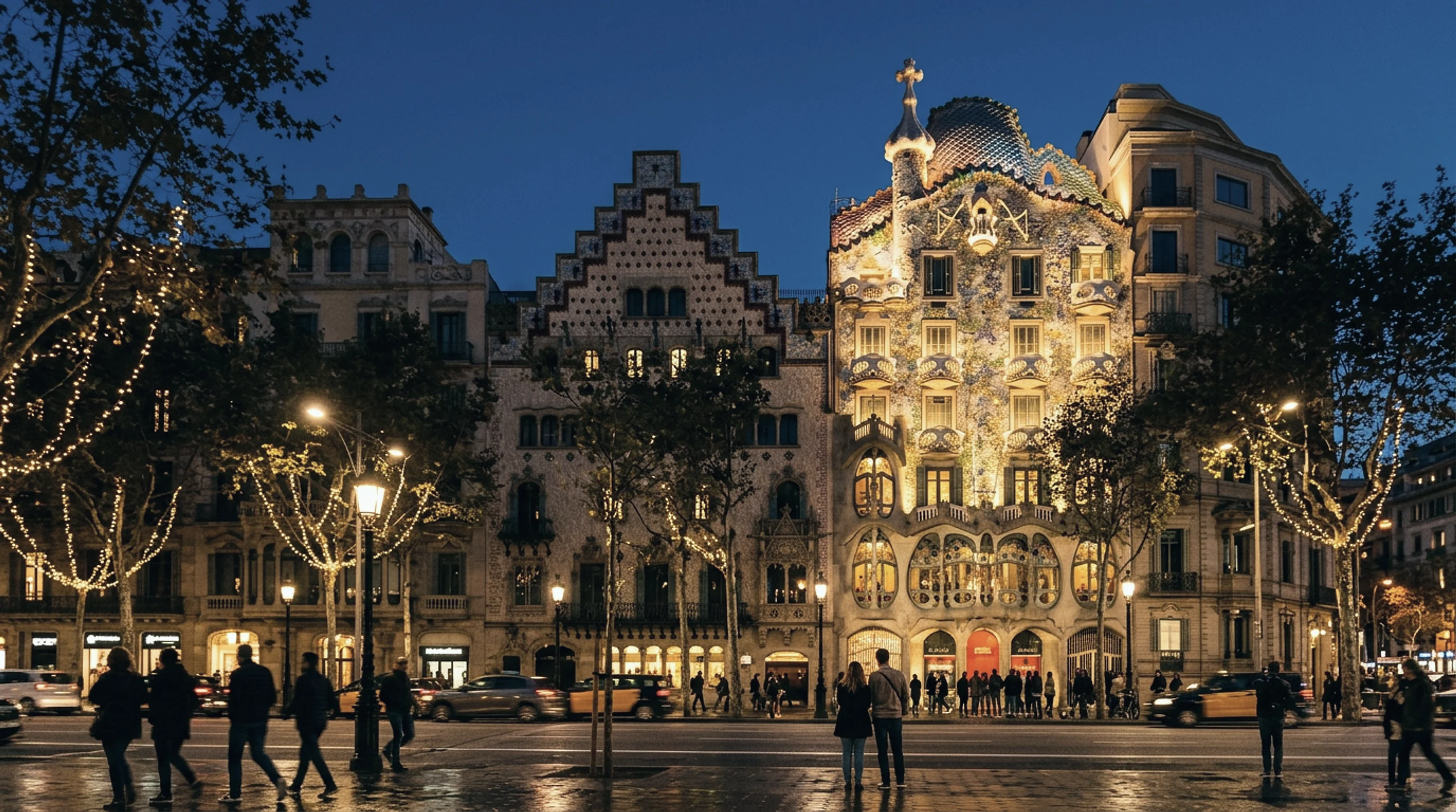
Ask how the time is divided, not just how long the visit lasts. Clear timing helps you judge whether there is space for photographs, questions and quiet observation. If guided commentary is a major reason for booking private format, check that the route allows conversation rather than constant movement.
Read the itinerary as a sequence, not a list
A good itinerary has a logical flow. Look at where each stop sits and how the group moves from one place to the next. Repeated crossing between neighborhoods can eat into the visit and reduce the time available at the buildings themselves.
Sagrada Familia, Casa Batlló and La Pedrera can be combined, but they still need sensible timing. Park Güell is best treated as a distinct stop because of its location and the way visitors move through the site. The Gothic Quarter has a different atmosphere and may work better before or after the main Gaudi stops rather than squeezed between them.
Watch for vague phrases such as "see the highlights" or "explore the area" when exact stops are not named. These can be fine in a flexible visit, but they make it harder to judge value. A clear sequence tells you what is included, what is optional and where the focus sits.
Check how entry and timing are handled
Access is one of the most practical parts of planning. Popular Gaudi sites can have timed entry, queues and changing visitor routes, so the details matter. When skip-the-line access is mentioned, check what it applies to and what the group still needs to do on arrival. The phrase can cover different arrangements, and it should not be treated as a promise of walking straight past every control.
Look for tours that explain meeting arrangements in plain language. You want to know where the group begins, how late arrivals are handled and whether the first stop is indoors or outdoors. If the visit starts away from the main landmark, factor in the transfer time.
Also check whether the itinerary depends on a site being open at a particular hour. Some places have changing access around events, maintenance or visitor capacity. A plan that gives alternatives is usually more resilient than one with no room for adjustment.
Judge the commentary by the questions it answers
Guided commentary can turn a building from a pretty facade into a clearer story. The best fit depends on your level of interest. A first visit may need context about Gaudi's style, Catalan modernisme and the way his forms draw from nature. A more informed visitor may prefer detail about structure, light, materials and symbolism.
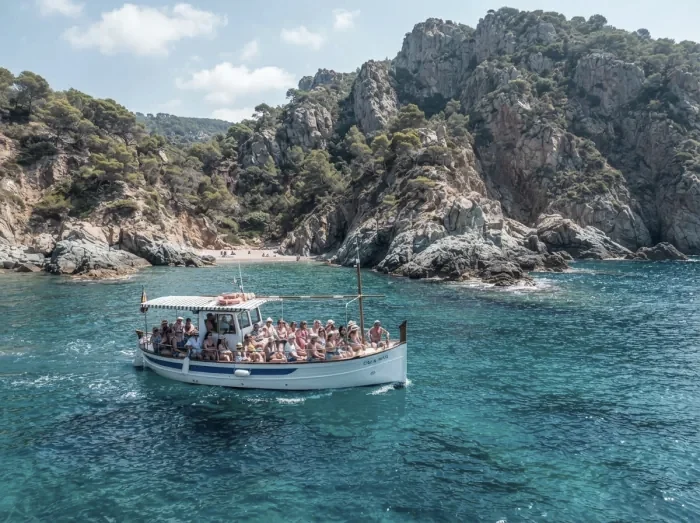
Check whether the description explains what will be discussed at each stop. Broad wording may be enough, but specific themes help you see whether the visit matches your taste. If you care about architectural details, look for a tour that pays attention to lines, surfaces, interiors and rooftop forms rather than only famous exterior views.
Group size also changes the feel of commentary. A private format usually makes it easier to ask questions, pause at a detail and tailor the pace. Even so, the route still matters. A cramped schedule can limit discussion just as much as a crowded group.
Compare the small print with the same care as the sightseeing
Once a route feels right, move to the practical terms. Check the starting point, the end point, the length of the visit and what is included. If the tour ends in a different area, make sure that works with the rest of your day. A finish near a metro station or a pleasant street can make the next hour much easier.
Look at how changes are described. Travel plans shift, and a clear explanation of timing and access is more useful than a polished description with little substance. If a detail is unclear, ask before booking rather than assuming it will be solved on the day.
For general background, the Private Tour in Barcelona official site can be treated as one reference point while you compare wording, route logic and clarity. It is still worth reading each tour description on its own terms, because a good fit depends on how you want to experience the city.
Match the tour to the rest of your Barcelona days
Gaudi tours work best when they sit naturally within the wider itinerary. If you plan to visit Sagrada Familia with a private route, avoid scheduling another demanding landmark immediately afterward. Give yourself time to absorb the visit, have a break and walk without a strict purpose.
Weather can also shape the order. Outdoor stops such as Park Güell feel different in strong sun or rain, while interiors offer a steadier pace. If your dates are flexible, place the most outdoor-heavy part of the tour at a time that suits the season.
Think about transport between stops as well. Barcelona has good city connections, but street-level travel takes time, especially in busy areas. A realistic plan accounts for that instead of packing the day with tight transitions.
Make the final choice with a simple test
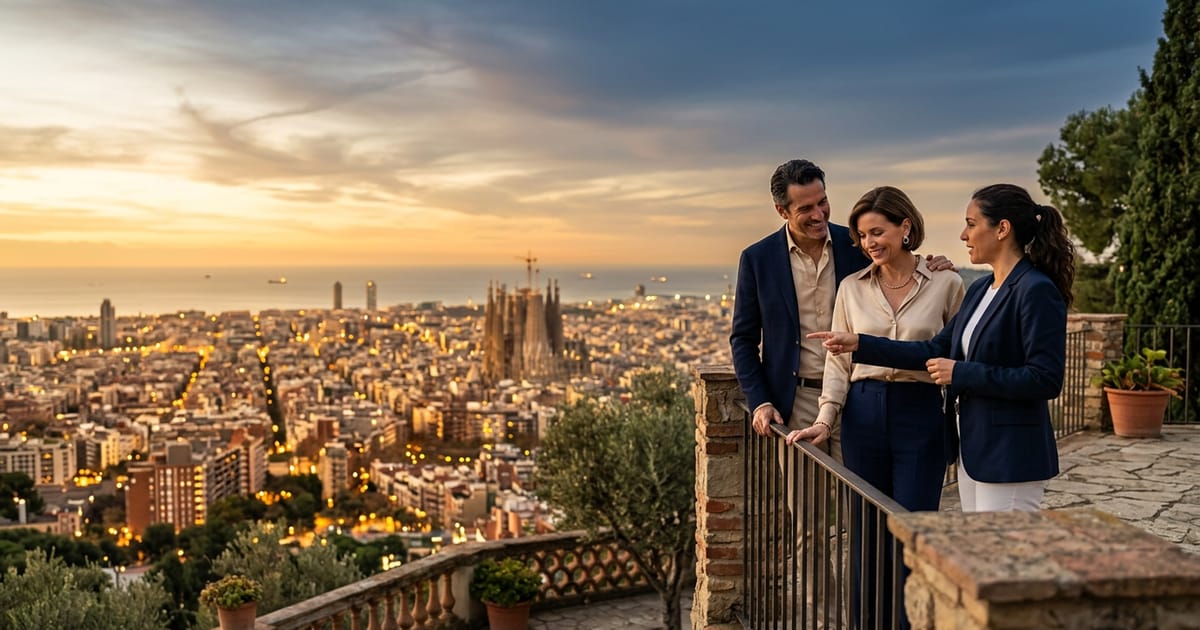
When two options look similar, use a practical test. The stronger choice is usually the one that names the stops clearly, explains how time is spent, gives a sensible route and leaves space for questions. It should also match the way your group likes to move through a city.
Avoid choosing only by the number of landmarks. Seeing more is not always the same as understanding more. A visit that gives Sagrada Familia, Casa Batlló and La Pedrera enough attention may be more satisfying than a hurried route that adds extra corners without depth.
Before you commit, reread the description as if you were arriving on the day. Picture the meeting point, the first stop, the walking, the pauses and the finish. If that sequence feels calm and clear, the tour is likely to suit your visit. If it feels rushed or vague, keep looking until the plan reads as comfortably as the city you hope to explore.
Private Tour in Barcelona official site may appear in your research alongside other names, but the decision should rest on the basics: route, timing, access, commentary and pace. Get those right, and the architecture has room to speak for itself.